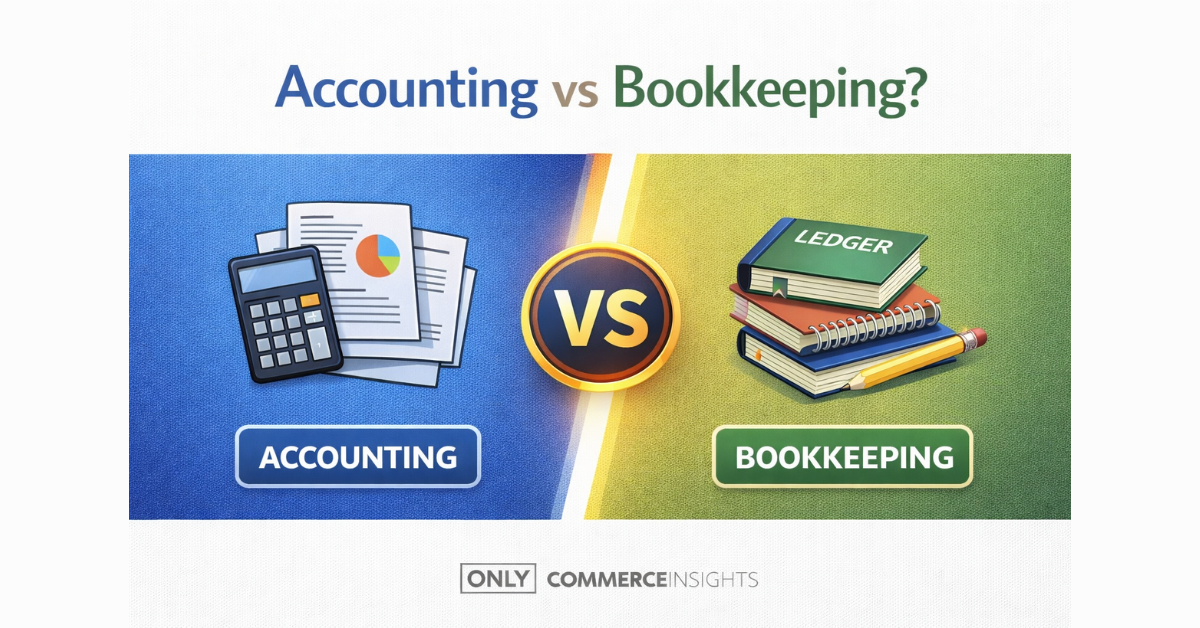

Accounting and bookkeeping differ in scope—bookkeeping records transactions, while accounting analyzes and interprets financial data. Learn the key differences between accounting vs bookkeeping in a simple way.
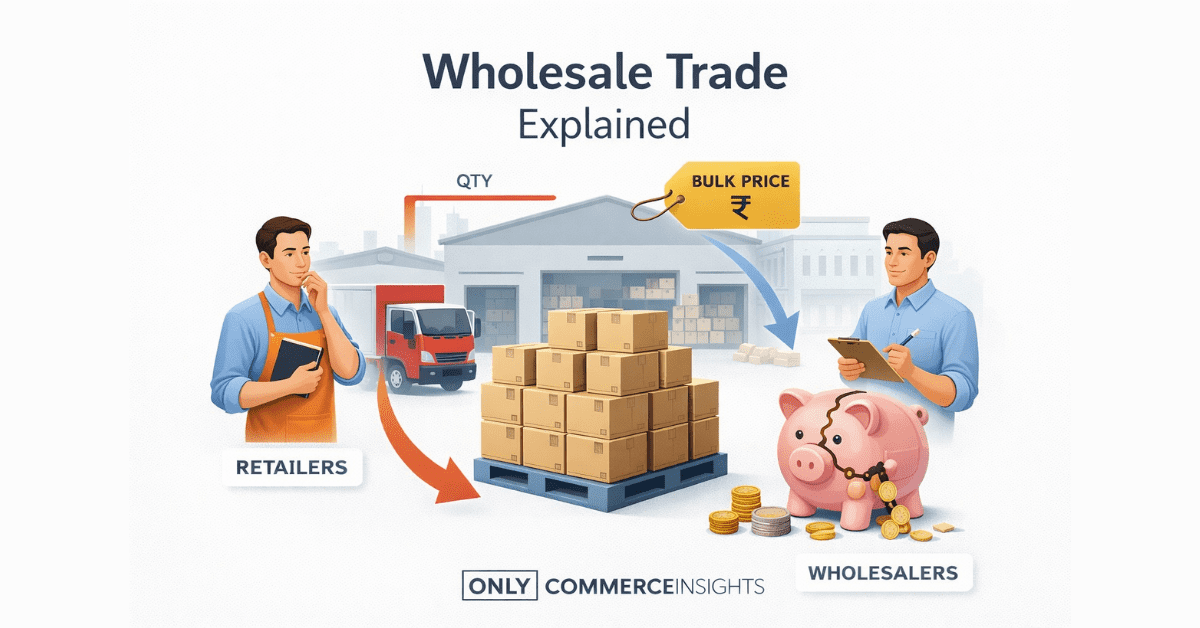
Wholesale trade involves buying goods in large quantities and selling them to retailers. This article explains how wholesalers act as a link between producers and retailers. Learn how bulk purchasing helps reduce costs and improve distribution efficiency.
Finance drives business growth by enabling investment, managing cash flow, and supporting expansion decisions. Learn how financial planning and capital allocation help businesses scale efficiently.
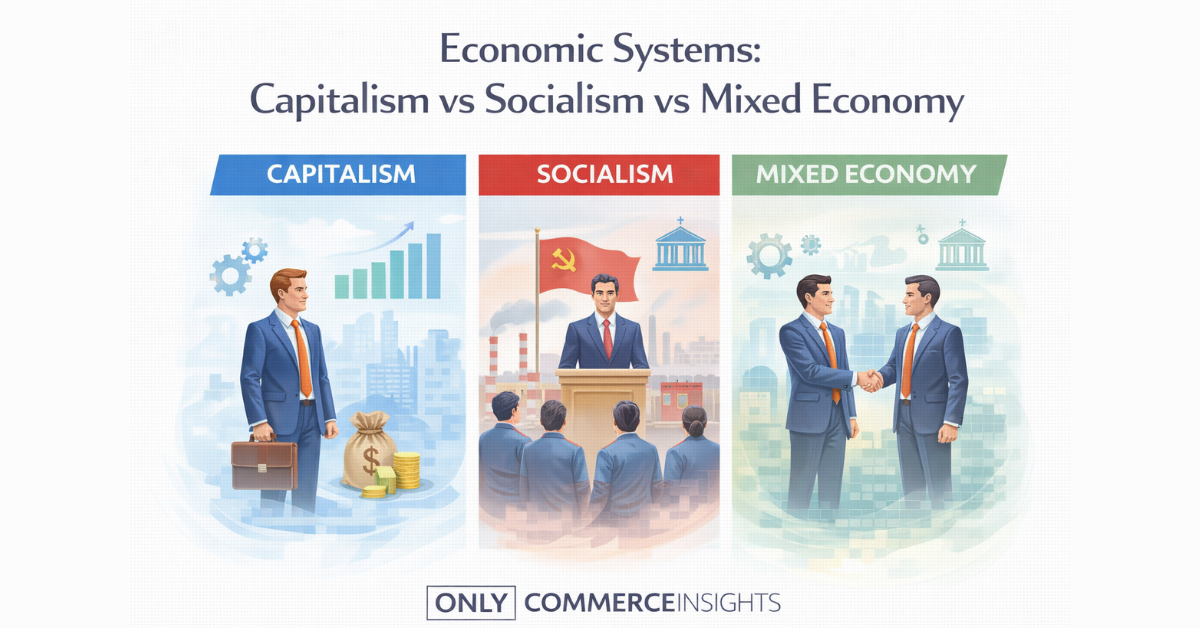
Economic systems define how resources are produced, distributed, and managed in an economy. This article explains the differences between capitalism, socialism, and mixed economy in a simple way. Learn how each system works and their impact on businesses and society.
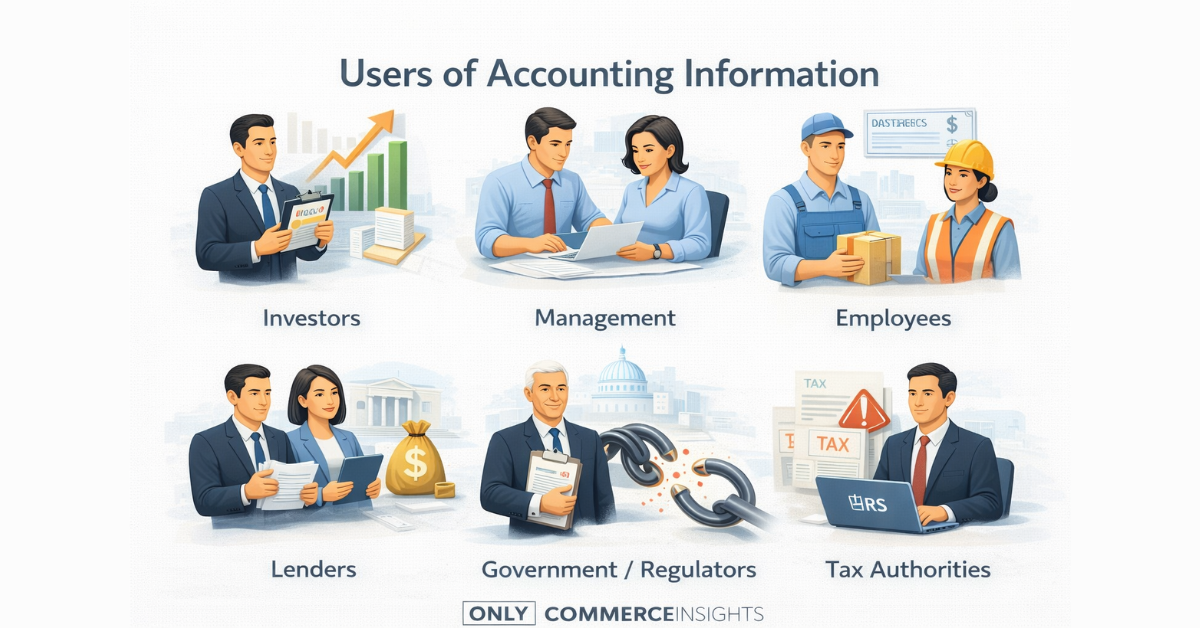
Users of accounting information include investors, management, employees, lenders, and government authorities who rely on financial data for decision-making. Learn how each user group uses accounting information to evaluate business performance and financial position.
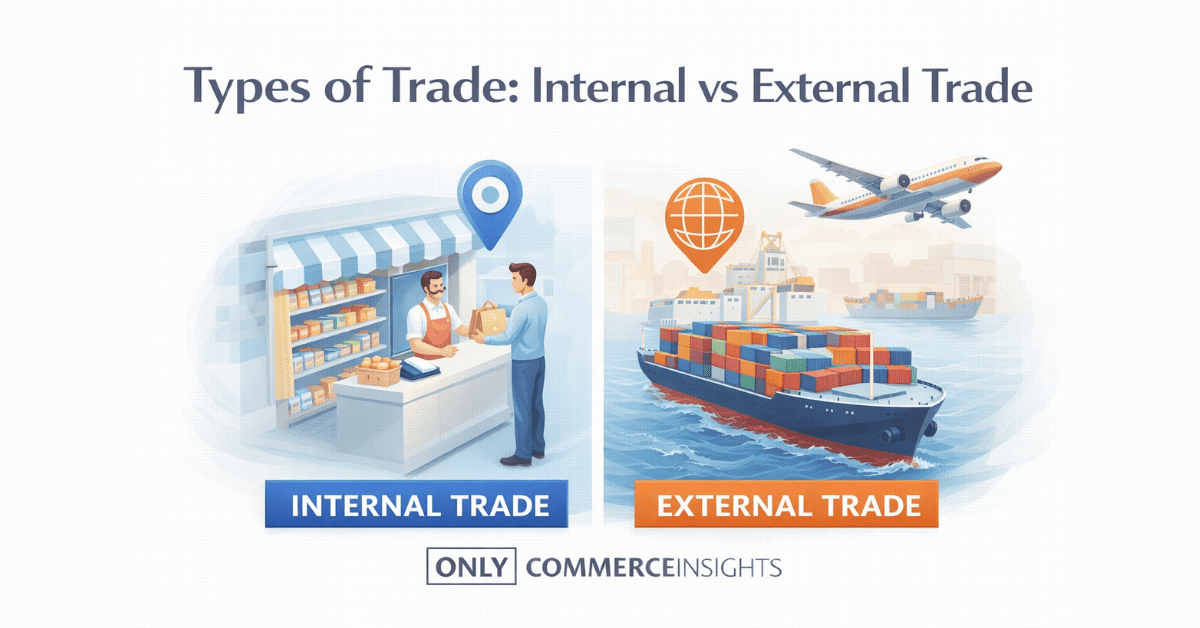
Trade can be classified into internal and external based on where buying and selling take place. This article explains the key differences between domestic trade within a country and international trade across countries. Learn how both types of trade contribute to economic growth.