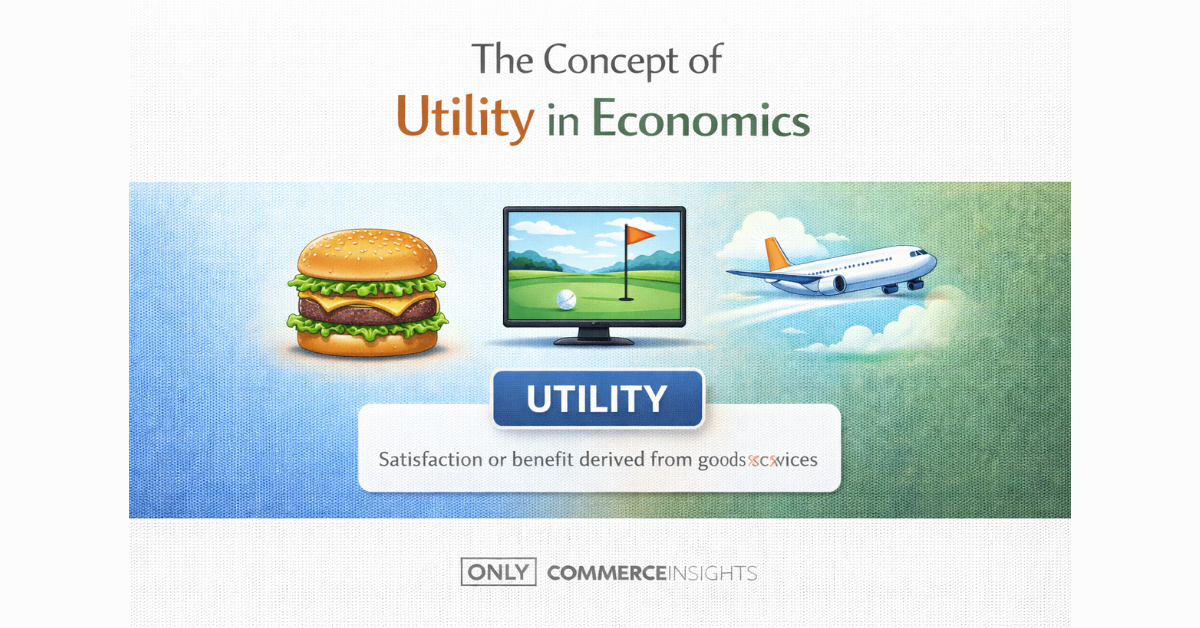

Utility in economics measures the satisfaction consumers get from goods and services. Learn how utility helps explain consumer choices and demand.
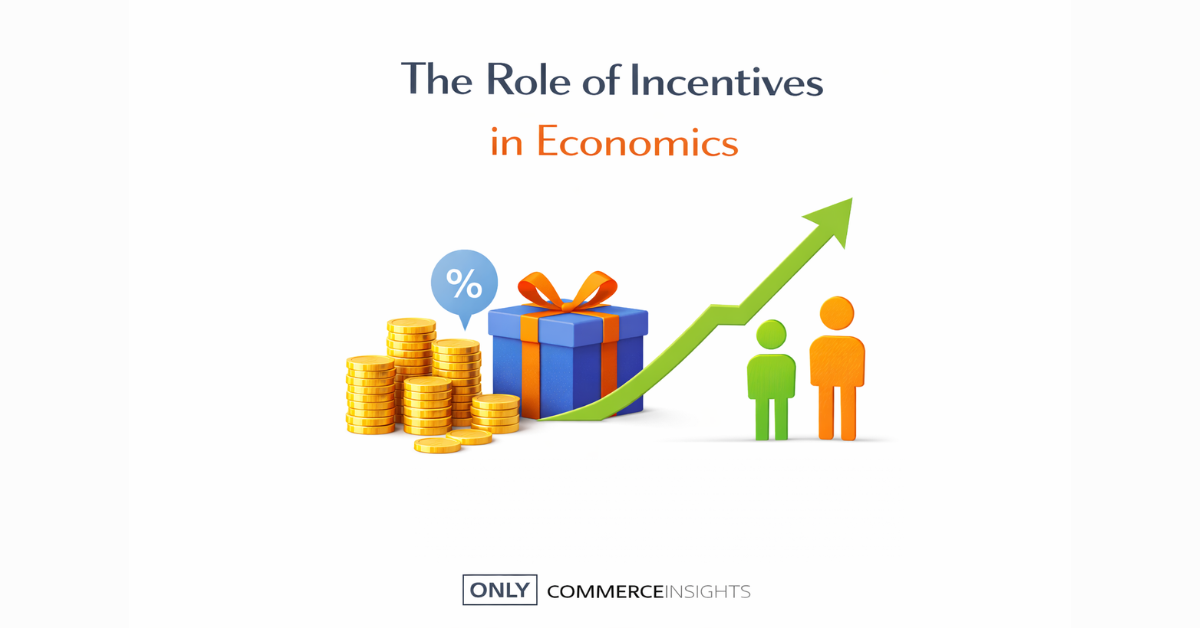
Incentives influence economic decisions by motivating individuals and businesses to act in certain ways. Learn how rewards, costs, and benefits shape behavior in economics.
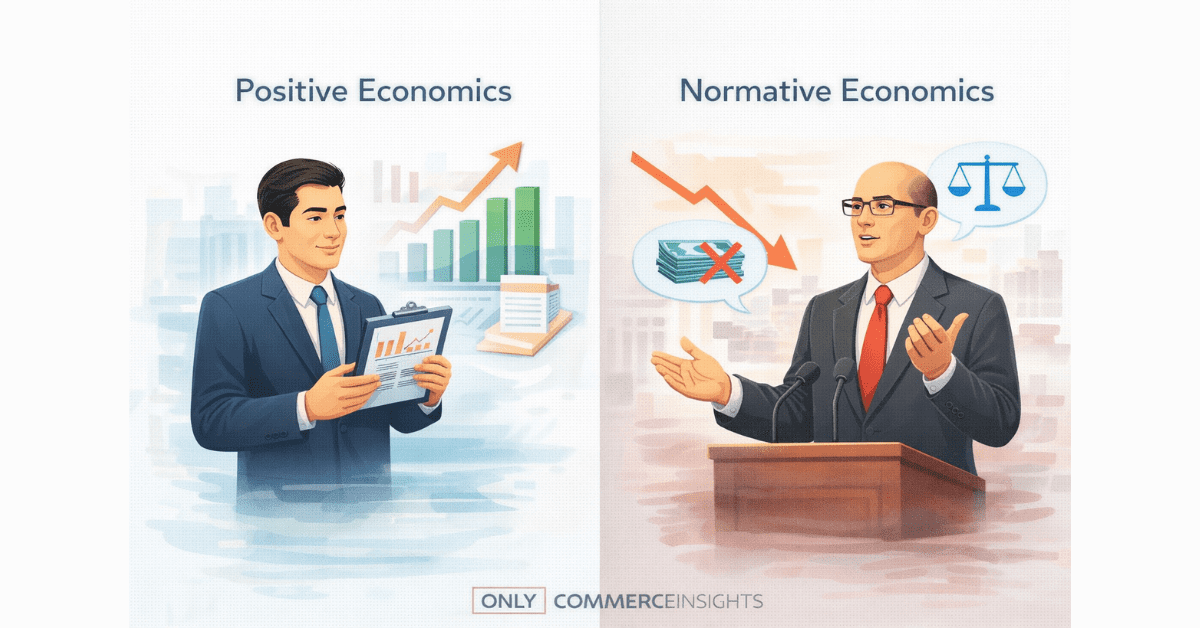
Positive economics focuses on facts and data, while normative economics deals with opinions and value-based judgments. Learn the key differences between positive and normative economics and how they influence economic decisions and policies.
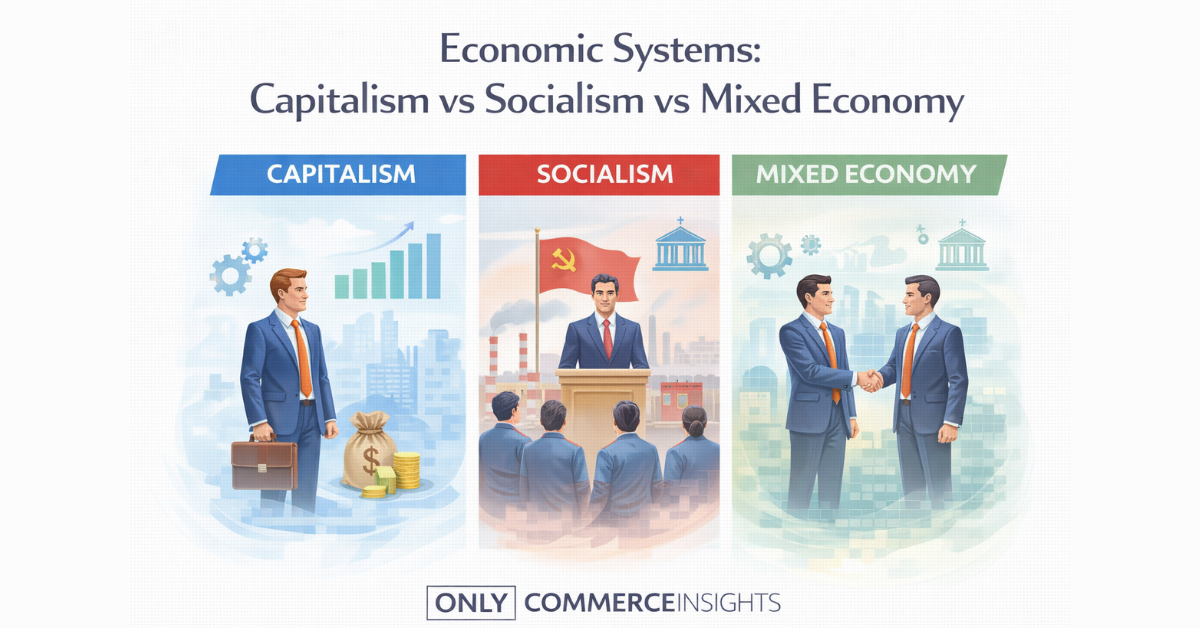
Economic systems define how resources are produced, distributed, and managed in an economy. This article explains the differences between capitalism, socialism, and mixed economy in a simple way. Learn how each system works and their impact on businesses and society.
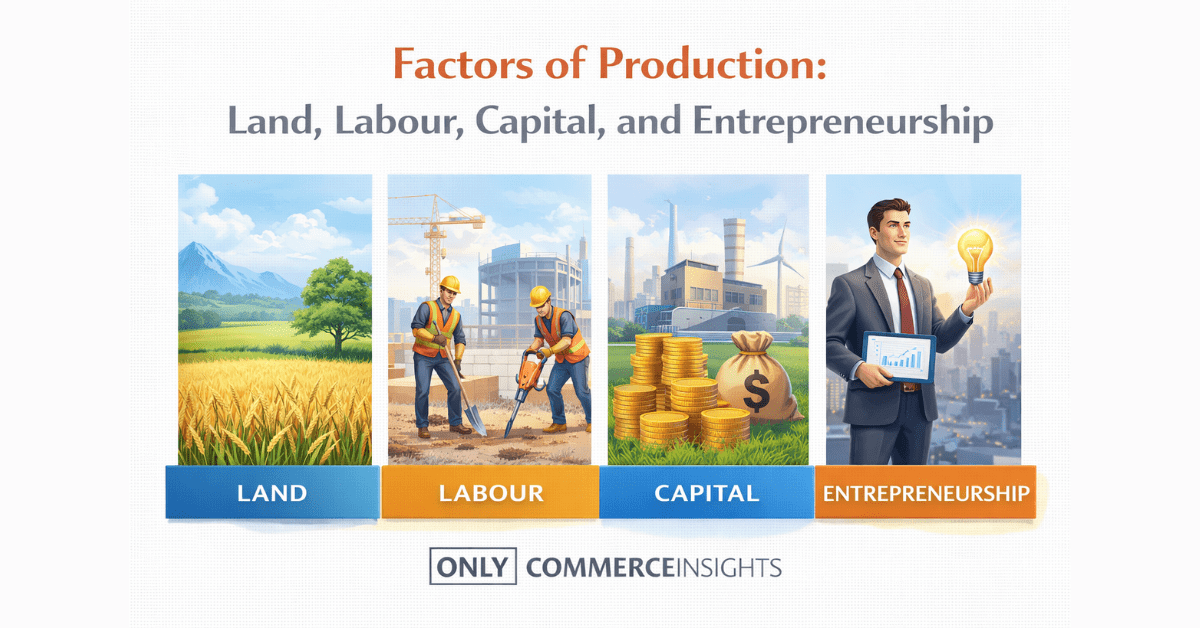
Factors of production are the basic resources needed to produce goods and services in an economy. This article explains land, labour, capital, and entrepreneurship in a simple and clear way. Learn how each factor plays an important role in business and economic growth.
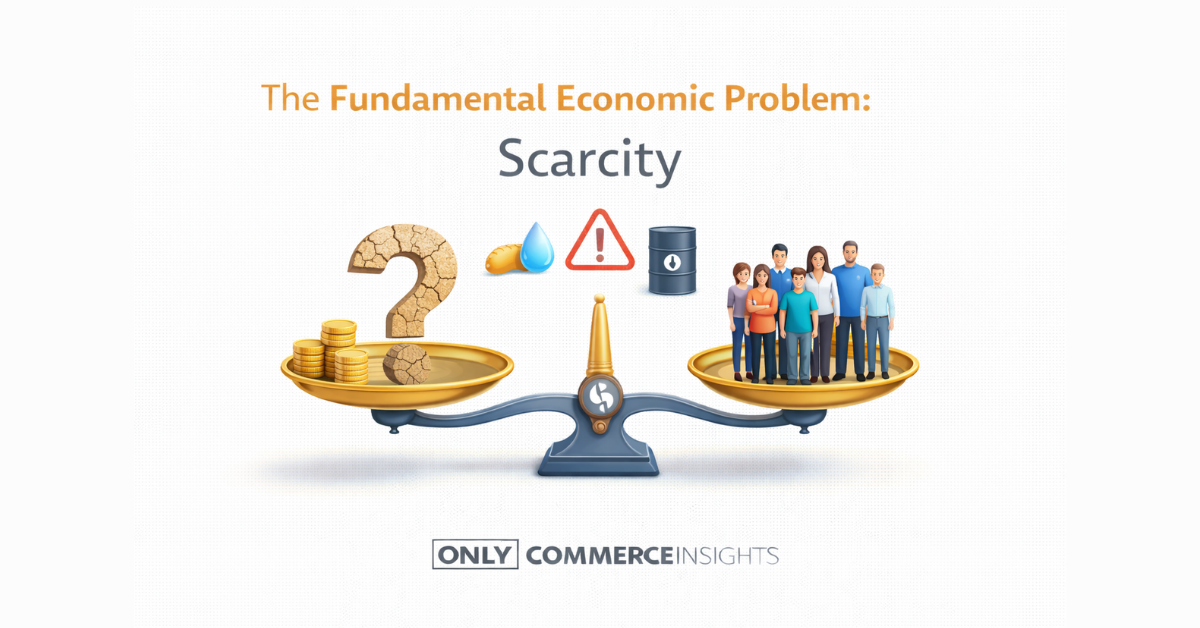
Scarcity is the fundamental economic problem that arises because human wants are unlimited while resources are limited.
This concept explains why individuals, businesses, and governments must make choices about how to allocate resources efficiently. Understanding scarcity helps explain key economic decisions, trade-offs, and opportunity costs in real-world economies.