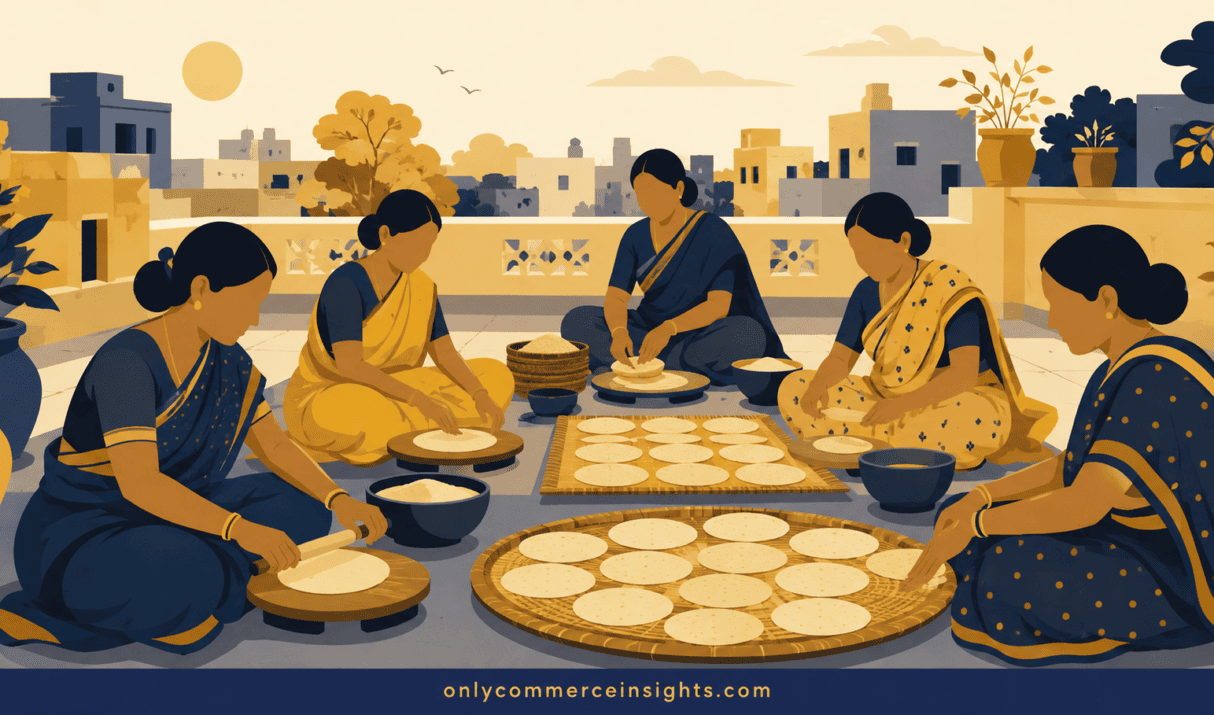

Seven women borrowed ₹80 in 1959. No CEO, no hierarchy, no ad budget, and it still runs a ₹1,600 crore business today. Here’s the structure that makes it work, and where it breaks.
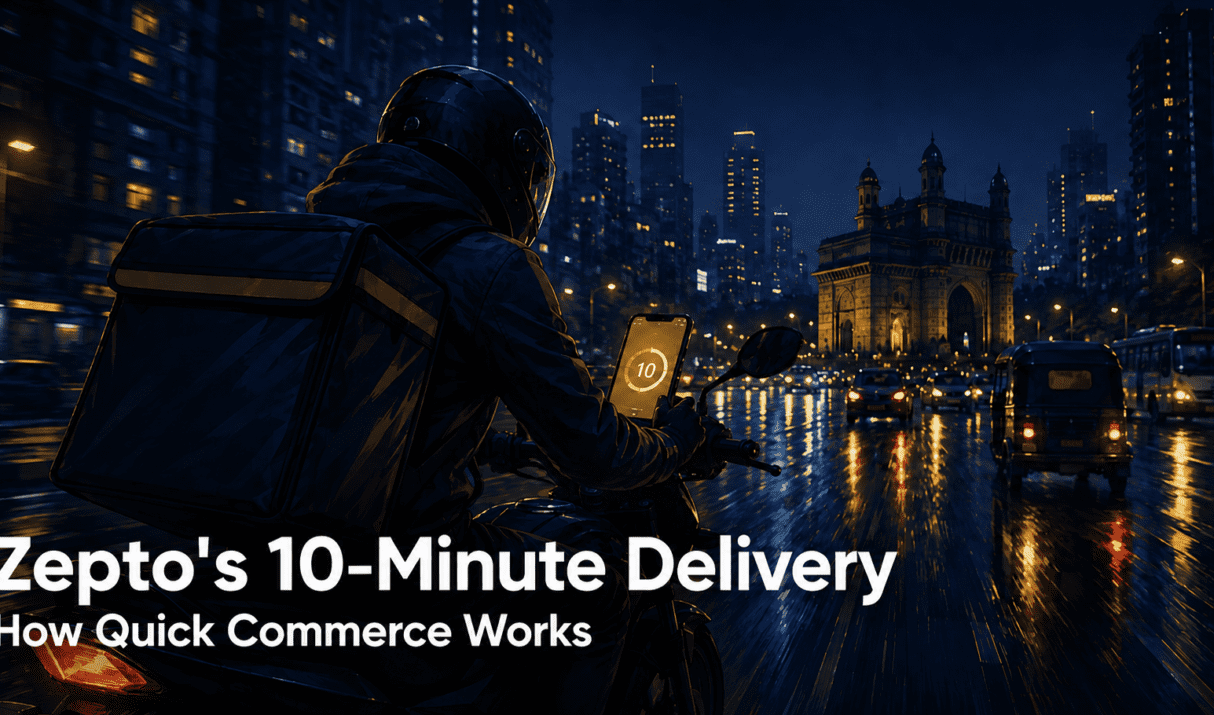
Two 19 year olds stuck in Mumbai during COVID asked one question: if Zomato delivers food in 30 minutes, why does getting milk take half a day? That question built a Rs 22,623 crore business. Here is how Zepto’s dark store model, unit economics, and revenue strategy actually work.

Shein uses real-time data and trend analytics to design, produce, and launch fashion quickly. Learn how its data-driven model enables fast production and rapid scaling in global markets.
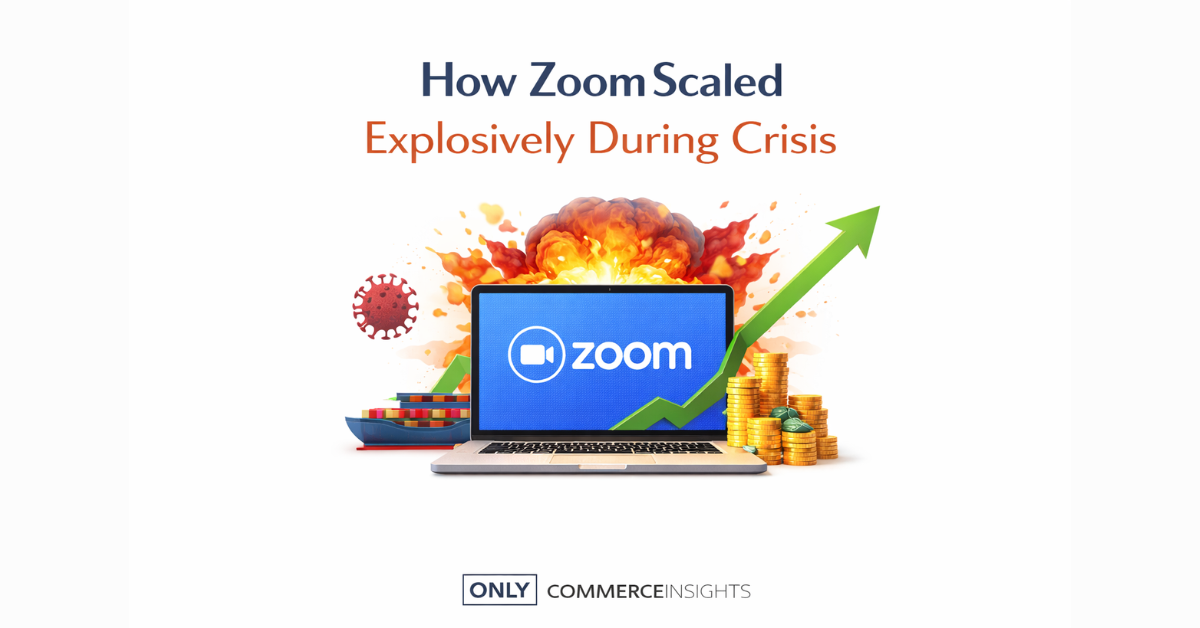
Zoom scaled explosively during the crisis by meeting the sudden demand for remote communication and virtual collaboration. Learn how product-market fit, scalability, and timing drove Zoom’s rapid growth.
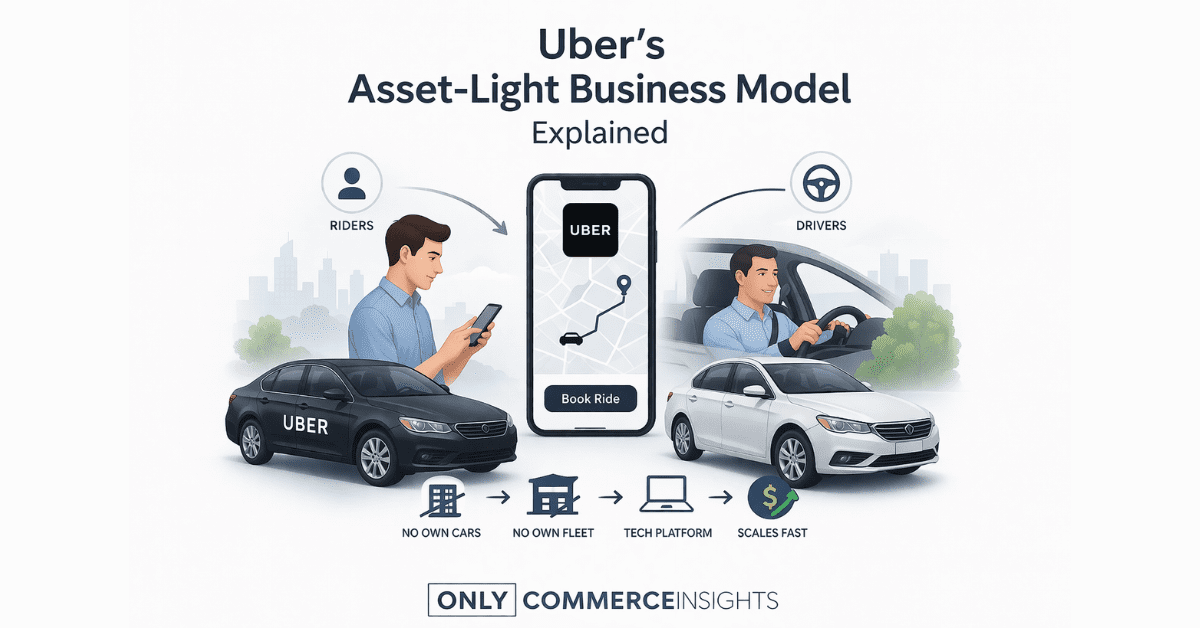
Uber follows an asset-light business model by connecting riders and drivers through a technology platform without owning vehicles. This article explains how this model reduces costs and allows fast scaling. Learn how platform-based businesses operate efficiently in today’s economy.
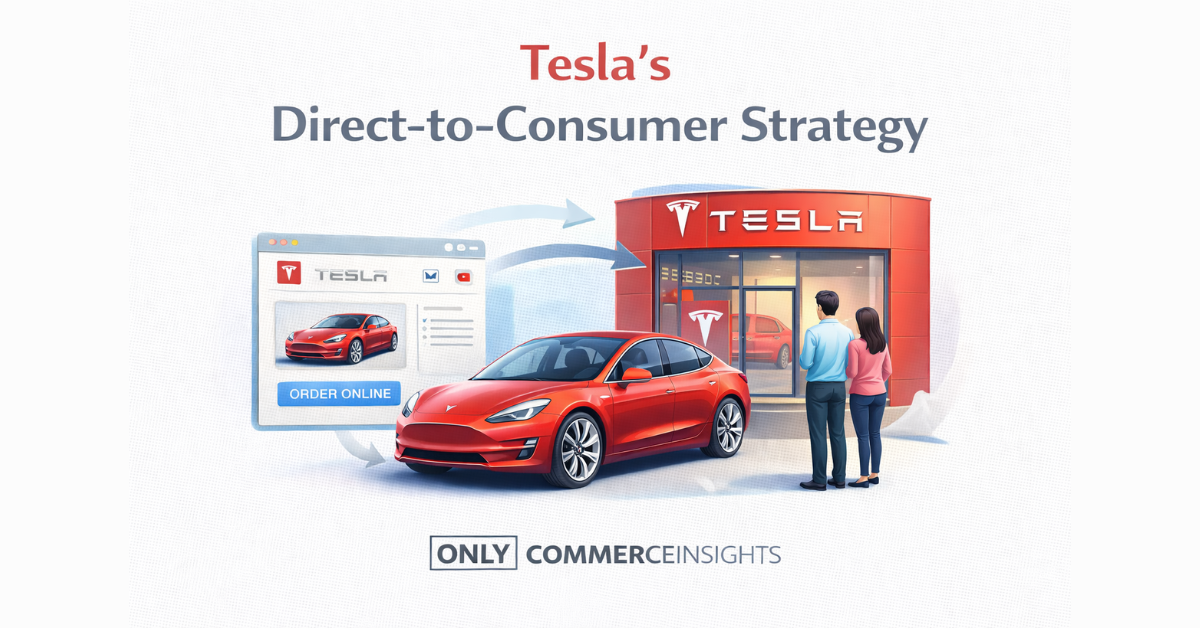
Tesla disrupted the traditional auto industry by selling directly to customers instead of using dealerships. This direct-to-consumer strategy allows Tesla to control pricing, customer experience, and brand positioning. This article explains how Tesla’s model works and why it has become a game-changer in modern business strategy.