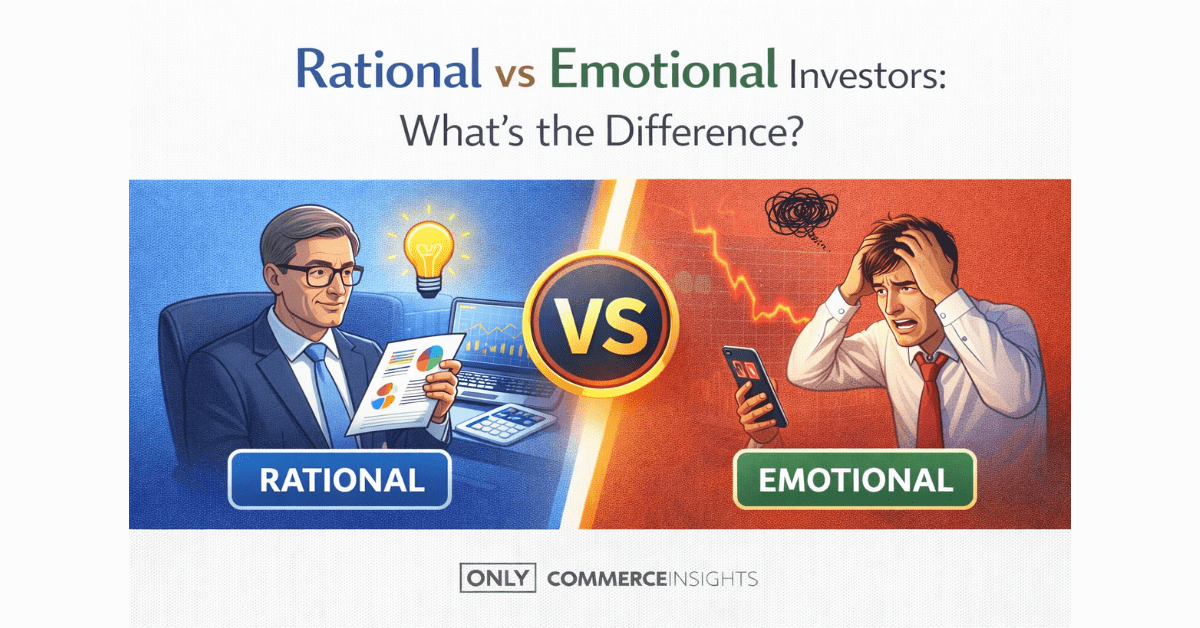

Rational investors rely on data and logic, while emotional investors are driven by fear and greed. Learn the key differences between rational vs emotional investing and how it impacts decisions.
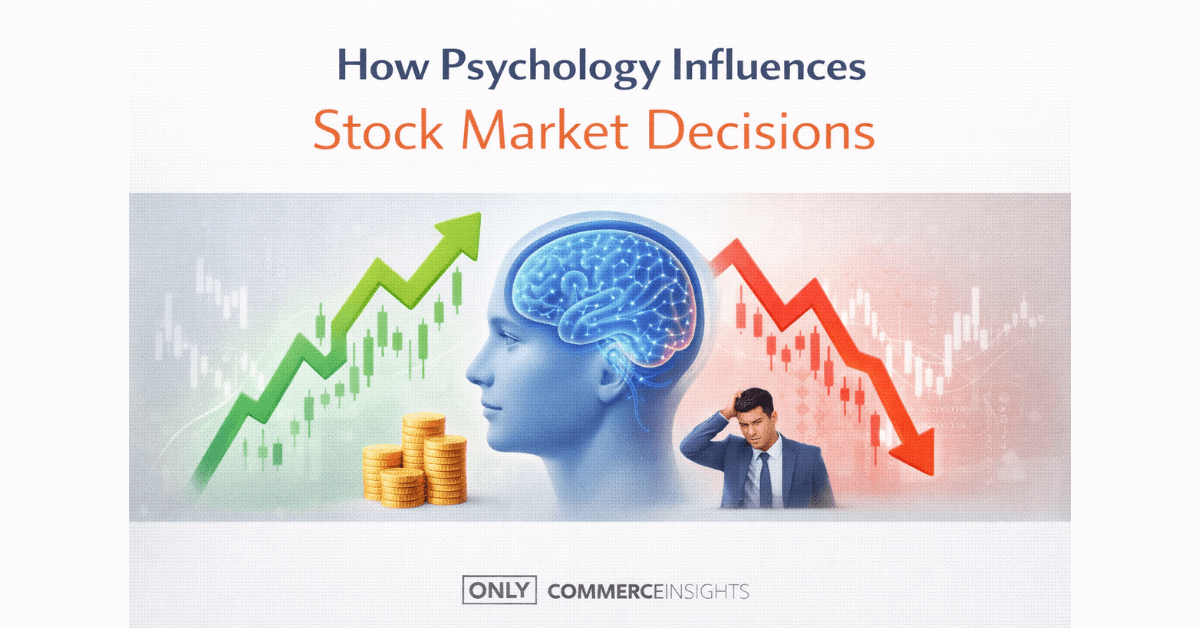
Investor psychology drives stock market decisions through emotions like fear, greed, and herd behavior. Learn how behavioral biases impact trading choices and market movements.
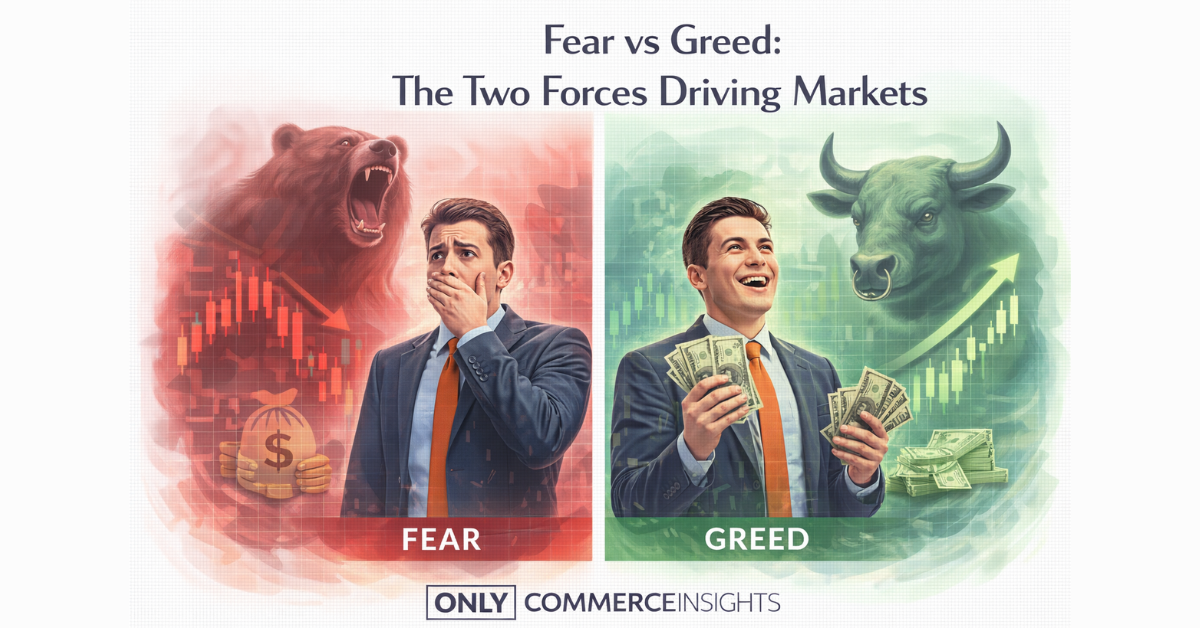
Fear and greed are the two strongest emotions that drive market movements. This article explains how these emotions influence investor decisions and cause market ups and downs. Learn how understanding fear and greed can help you make smarter investing choices.
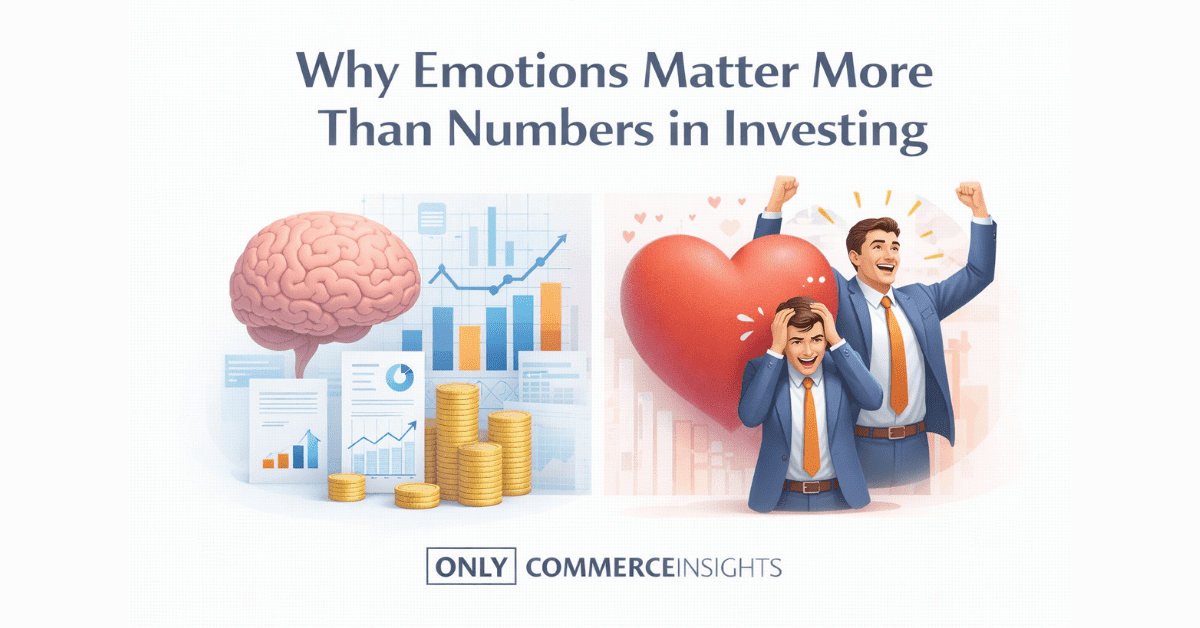
Investing is not just about numbers and data—it is strongly influenced by human emotions. This article explains how fear, greed, and psychology impact investment decisions. Learn why understanding emotions can be more important than just analyzing financial figures.
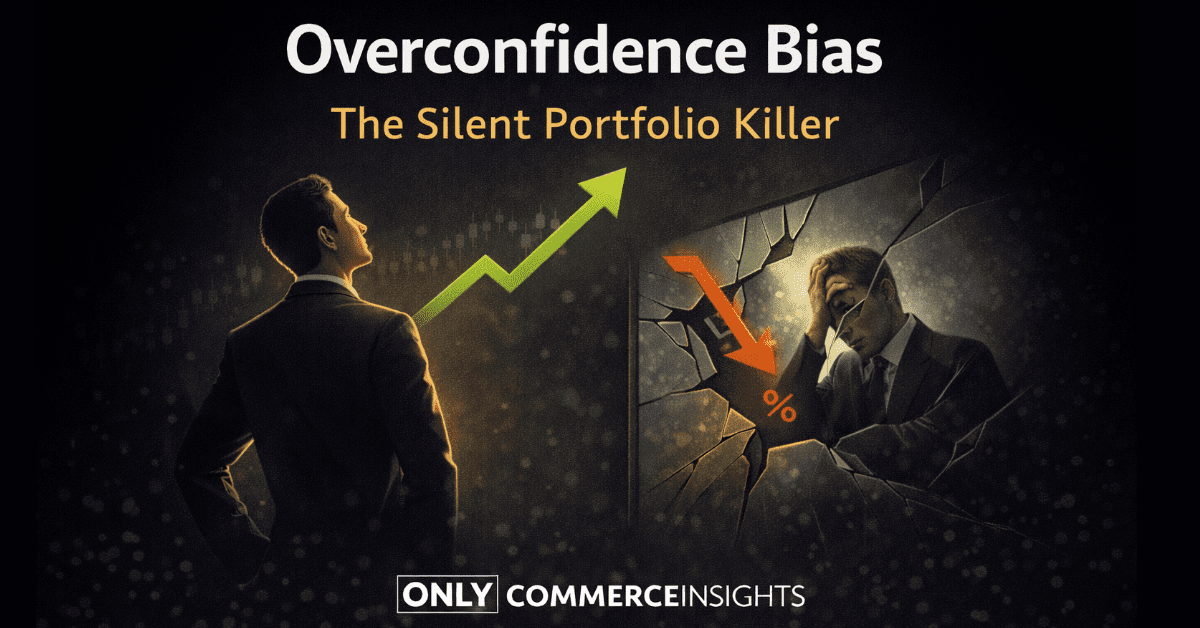
Overconfidence bias makes investors believe they can beat the market—leading to risky trades, poor diversification, and heavy losses.
This article explains what overconfidence bias is, how it silently damages portfolios, and practical ways investors can avoid this costly psychological mistake.

FOMO pushes investors to buy in a hurry—often at the worst possible time.
This article explains what FOMO in investing and trading is, why it affects decision-making, and how it can quietly destroy long-term returns if left unchecked.